Infrastructure / System Resilience
First keep the system orderly under pressure; speed comes second.
The platform uses a modular, distributed architecture that separates critical services such as trade matching and account management and supports scaling of compute and processing resources to business needs. The goal is not to chase a single peak benchmark, but to limit the impact of failures in critical components on overall service.
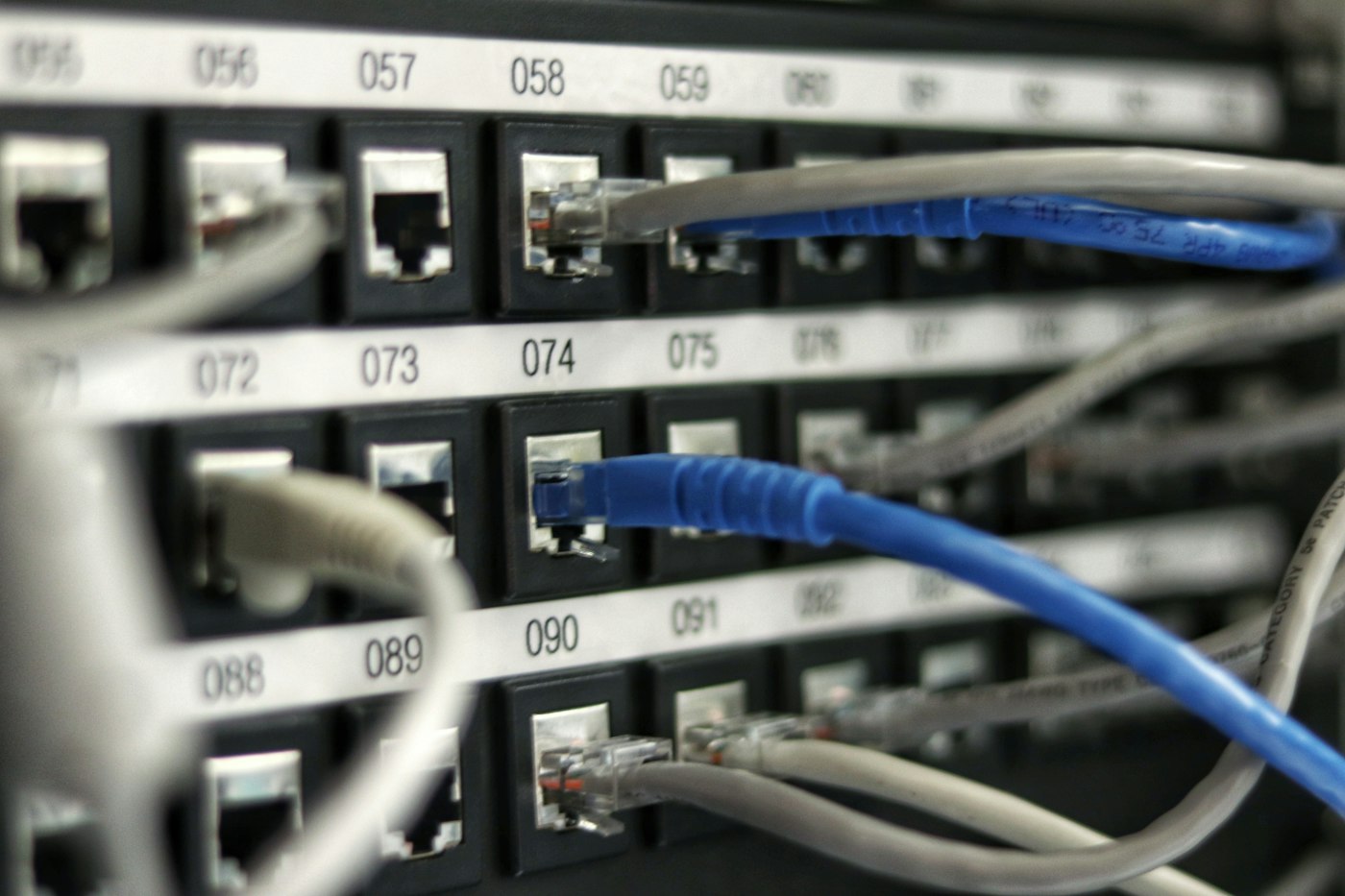
Architecture
Modular separation keeps the impact of failures local.
Load on a trading platform is rarely distributed evenly. During sharp market moves, order submission, cancellation, matching and execution reports all increase at once, and latency in any one stage can spread to other services.
Kalvoq separates critical services such as trade matching and account management and organizes them as modules. The aim is to let different services scale compute and processing resources independently to business needs, and to make it easier to isolate a fault, identify its cause and restore service when something goes wrong.
Order lifecycle: every stage has to be observable.
The platform continuously optimizes performance across order submission, cancellation, matching and execution reports. Observability means the system can not only handle a request, but also show where it went, how long it took and where it failed.
Account, parameter and permission checks
Limits, anomalies and status confirmation
Orders matched under consistent rules
Result confirmation and status update
Logs, audit and review
Measures built for failure and sudden load.
For system failures and sudden load, the measures disclosed by the platform cover four layers: deployment, failover, data and drills. Together they form the basis of service continuity.
Multi-Node Deployment
Critical services are distributed across multiple nodes to reduce the impact of a single node failure on overall service.
Failover
When the operating environment becomes abnormal, services can be switched to reduce interruption time and make it easier to isolate the problem.
Data Synchronization and Backup Recovery
Critical data is kept synchronized, and backup and recovery arrangements support data integrity after an incident.
Regular Testing
Regular tests verify how failover, recovery procedures and critical components actually perform, rather than leaving them on paper.
24/7 Monitoring
Trading, market data and wallet systems are monitored around the clock, with attention to latency, throughput, abnormal orders and service failures.
Logs and Audit
Operational logs and audit records support issue tracking and post-incident review, providing a basis for continuous improvement.
Monitoring is a response mechanism, not a dashboard.
These arrangements are intended to detect anomalies promptly and to support fault isolation and service recovery. For users, system stability ultimately shows in whether orders are handled according to the rules, whether anomalies are explained, and whether service can be restored.